Two kinds of medicine
Oral systemic therapy
Oral systemic medicines are tablets that dampen the immune response broadly. They have been used in dermatology for decades, are generally lower in cost, and are often the first systemic treatment tried. Because they act on the whole body, they require blood tests before starting and at intervals during treatment, and some are not suitable in pregnancy, with certain other conditions, or alongside certain other medicines.
Biologic therapy
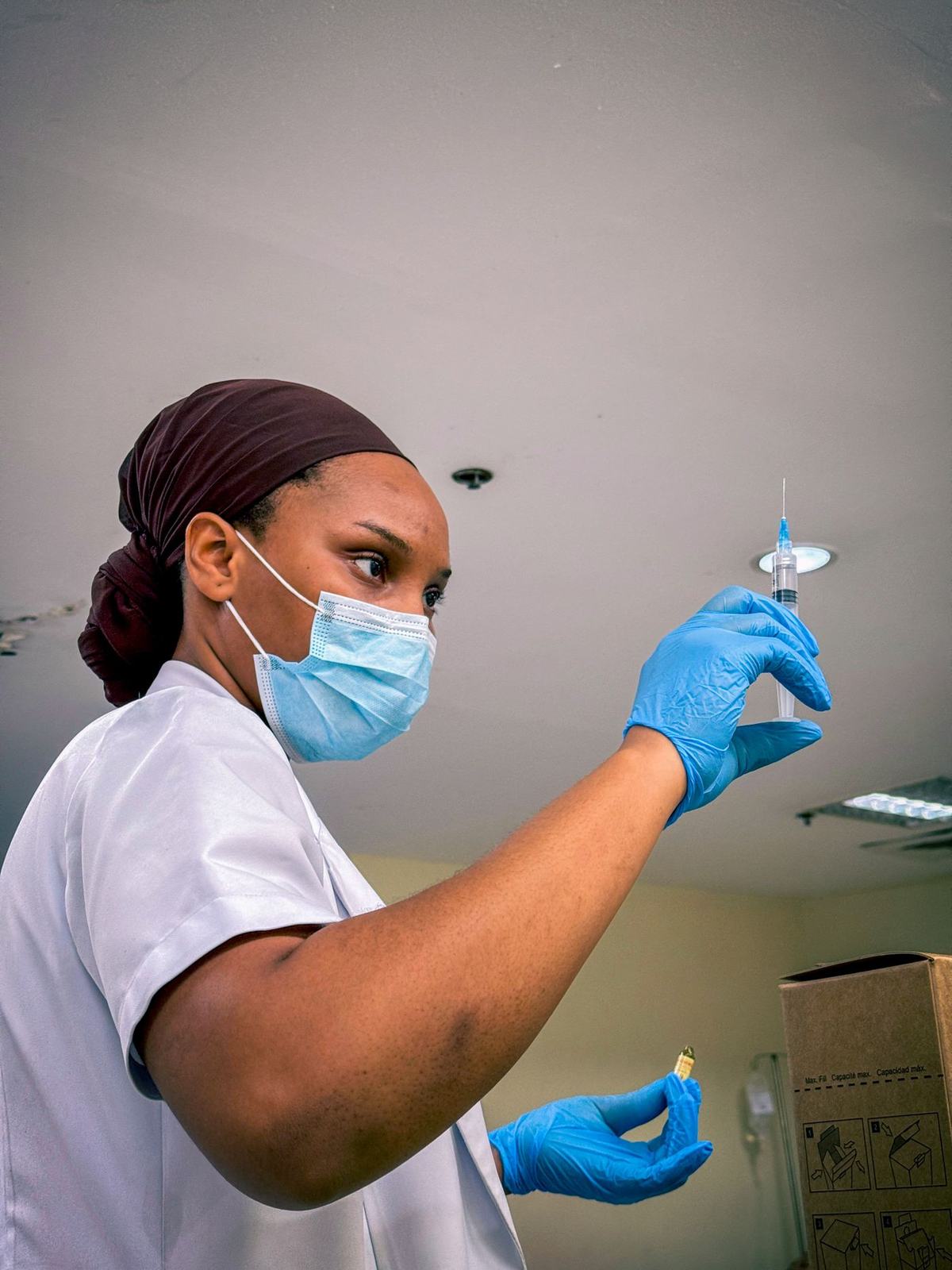
Biologics are proteins given by injection under the skin, or occasionally by infusion, that block a specific signal in the immune system rather than suppressing it broadly. Different classes of biologic target different signals, which is why the choice depends on the diagnosis. Most are self injected at home after teaching, at intervals ranging from every two weeks to every three months depending on the medicine.
Newer oral medicines that target specific immune pathways sit between these two groups. Your dermatologist will explain which options apply to your condition.
Conditions treated
- Psoriasis, including psoriasis with joint involvement
- Atopic dermatitis in adults and, for some medicines, adolescents and children
- Hidradenitis suppurativa of moderate to severe extent
- Chronic urticaria that has not responded to antihistamines at adequate dose
Systemic therapy is also used for a number of less common inflammatory and blistering skin conditions, decided case by case.
Assessment
Before recommending systemic therapy, your dermatologist confirms the diagnosis, measures how extensive and severe the disease is, and reviews what has been tried. Your general health matters as much as your skin: a history of infection, liver or kidney disease, heart disease, cancer, or plans for pregnancy all affect which medicines are suitable. Bring a full list of your medications.
The decision to start is made with you. You should understand what the medicine is expected to do, how long it takes to work, what monitoring is needed and what the main risks are before you begin.
Baseline tests and monitoring
Most systemic and biologic medicines require blood tests before the first dose. These commonly include a blood count, liver and kidney function, and screening for hepatitis and tuberculosis, since these infections can reactivate when the immune system is dampened. A chest X ray is sometimes needed. The exact list depends on the medicine.
Once treatment starts, blood tests are repeated at set intervals, more often at first and then less frequently once the medicine is established. Follow up visits check that the skin is responding, that side effects are not developing, and that the dose remains right. Please keep to the monitoring schedule. A medicine cannot be continued safely without it.
Vaccination and infection
Because these medicines reduce the immune response, it is best to bring routine vaccinations up to date before starting, and some live vaccines cannot be given while on treatment. Tell your dermatologist and your family physician what you are taking. If you develop a fever or an infection that is not settling, seek care and mention your medication. Treatment is sometimes paused around surgery or serious infection.
Drug coverage
Oral systemic medicines are generally covered by the Ontario Drug Benefit program for those eligible, and by most private plans. Biologic therapies are high cost medicines and are covered in Ontario through the Exceptional Access Program, which requires an application from the prescribing physician showing that specific criteria have been met, most often that standard treatments have been tried without adequate response. Private insurance plans have their own approval processes. Manufacturer patient support programs can help with the paperwork and with the portion not covered.
Our office prepares and submits the required applications. Approval can take several weeks, so the assessment visit, baseline tests and application usually proceed in parallel. We will tell you what is needed from you and where the application stands.
Research at DermCare
Physicians at this practice have contributed to published research on biologic therapy in psoriasis, and DermCare is an investigator site for sponsored clinical trials. See publications and current studies.
For referring physicians
Patients with moderate to severe disease, or disease that has failed adequate topical or phototherapy, are appropriate for referral to consider systemic therapy. Please include the extent of disease, prior treatments and response, relevant comorbidities, current medications and any prior serious infection or malignancy. Recent blood work is helpful if available. How to refer.