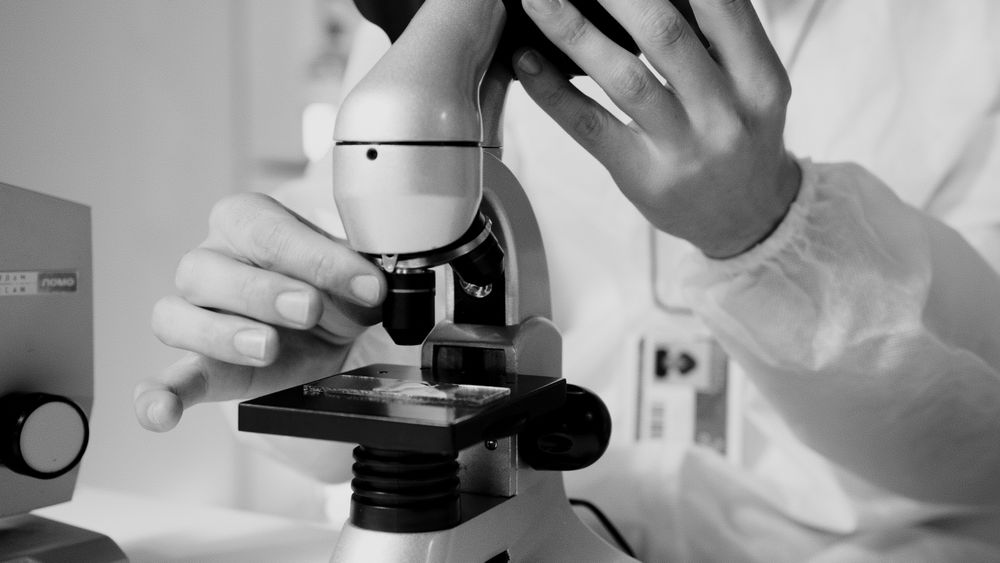
What dermatopathology is
When a piece of skin is removed by biopsy or excision, it is processed into thin sections, stained and examined under a microscope. The pathologist looks at the architecture of the skin, the cells within it and any abnormal growth or inflammation, and writes a report that states the diagnosis or narrows the possibilities. For skin cancer, the report also describes the type of cancer, how deeply it extends and whether the edges of the specimen are clear.
Dermatopathology is a subspecialty in its own right. Skin has hundreds of distinct diseases, many of which look similar under the microscope and can only be told apart by combining what is seen on the slide with what was seen on the patient. Certification in dermatopathology sits at the meeting point of two disciplines: dermatology, which is the clinical study of skin, and anatomical pathology, which is the study of disease in tissue.
Dual certification
Dr. Faisal Al-Mohammedi holds certification in both Dermatology and Anatomical Pathology and is registered with the College of Physicians and Surgeons of Ontario, CPSO 91228. He practises as a dermatologist seeing patients and as a pathologist reading skin specimens. This is an unusual combination, and it is the reason DermCare is able to read its own specimens in house rather than sending every sample to an outside laboratory.
Why in house reading matters
The single most important factor in an accurate skin diagnosis is correlation between the clinical picture and the microscopic one. A rash that looks one way on the patient may narrow to two or three possibilities under the microscope, and only knowing how it appeared, where it was, how long it had been present and what treatments had been used allows the pathologist to choose between them.
When the pathologist works within the same practice as the treating dermatologists, that correlation is direct. The pathologist has access to the clinical notes and images, can ask the treating physician a question the same day, and can request a further sample or a different stain without a specimen leaving the building. Uncertain or unexpected findings are discussed between physicians rather than passed back and forth in writing. For patients this means a diagnosis that has been reasoned through from both sides, and fewer repeat biopsies.
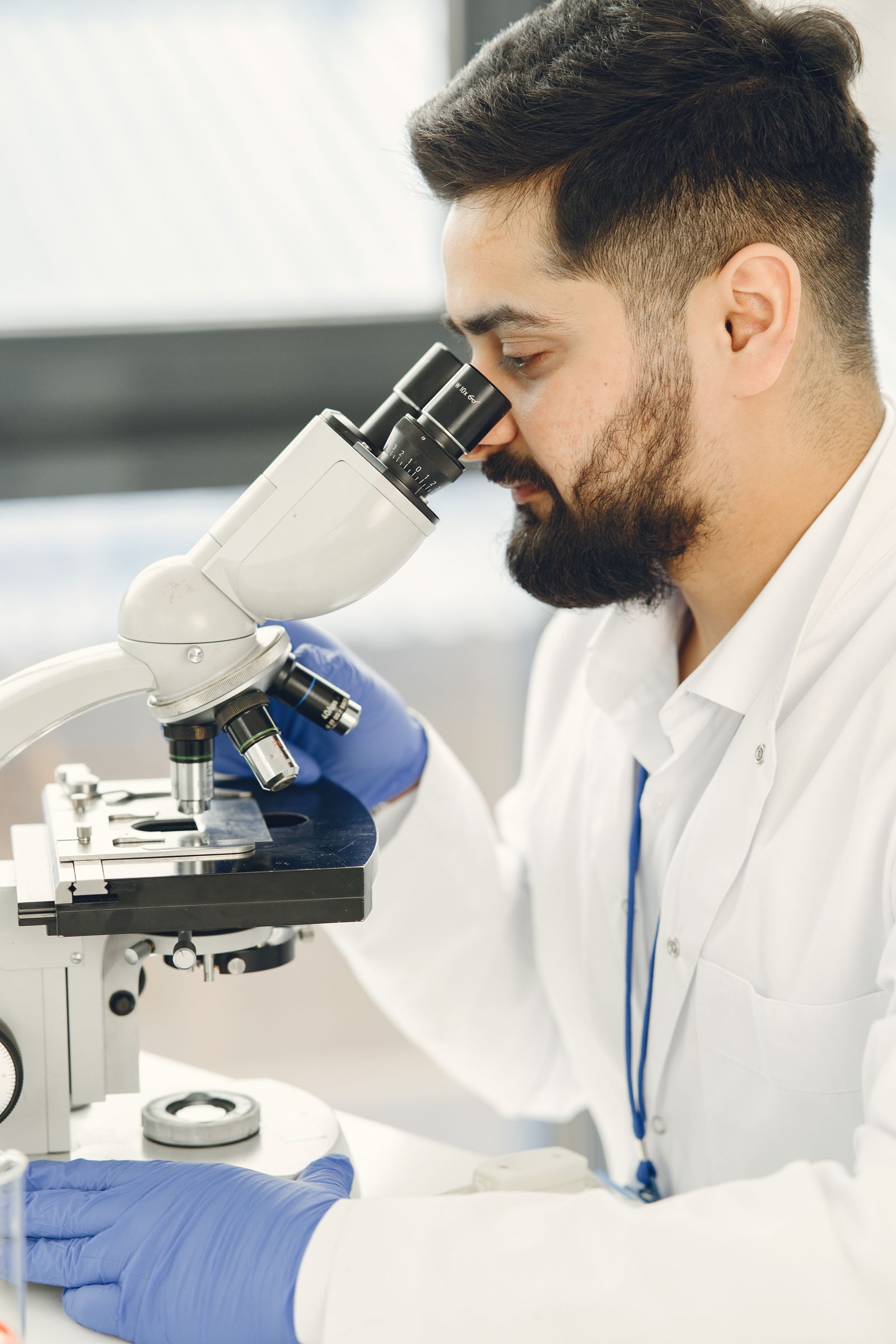
For patients
You do not need to do anything to have your specimen read in house. It is part of routine care at DermCare. If your biopsy was taken elsewhere and the slides are available, your dermatologist may request them for review.
How specimens are handled
Each specimen is labelled with the patient's identifiers and the site of the biopsy at the time it is taken, and placed in a preservative solution. It is logged, and the requisition records the clinical findings and the question being asked. The tissue is then processed, embedded, sectioned and stained, and the slides are examined under the microscope. Where the standard stains do not settle the question, additional special stains or immunohistochemistry are used. Cases needing a second opinion are referred to a colleague. Specimens and slides are retained in accordance with Ontario requirements. Details of the laboratory arrangement for tissue processing are being confirmed.
Results
The pathology report is issued to the physician who took the specimen and, where a patient was referred, to the referring physician. Results that require further action are communicated to the patient by our office, and a follow up visit is booked where needed. Typical turnaround for pathology results is being confirmed. Patients who have not heard back and are concerned can call 905 625 5600.
For referring physicians
Consultation reports from DermCare include the pathology findings where a biopsy has been taken, and the pathology report itself is copied to your office. If you have taken a skin biopsy in your own practice and would like the specimen read at DermCare, or would like slides from a previous biopsy reviewed, call 905 625 5600. Whether DermCare accepts external pathology specimens directly is being confirmed.